
Last month I switched on my new smart thermostat for the first time, and it took me less than 30 seconds to set the room to 21 °C. That tiny moment of instant control made me wonder how many of us are actually living in the future we imagined a decade ago.
Why the 21 °C Moment Matters
When I set the thermostat, the app told me that the device was using 0.3 kWh per hour. That’s 8% less than my old gas heater, and over a month that saves about £3.50. The real kicker is that the device learns my schedule: it turns off the heating an hour before I leave for work and ramps it up again 15 minutes before I return. No more guessing when to adjust the temperature.
The Learning Curve and the Learning Curve
At first the app felt like a puzzle. I had to navigate through three tabs—Setup, Devices, and Automation—to connect the thermostat to my Wi‑Fi. Once I got it, the “Smart Suggestions” feature started offering me a 10% discount on my next bill if I kept the temperature between 20 °C and 22 °C for 18 hours a day. That was a clear, actionable number.
Security: The Silent Threat
Every device that connects to the internet is a potential entry point for hackers. My thermostat’s firmware was updated automatically, but the manufacturer’s support page lists a known vulnerability that affects versions older than 1.2.3. If you’re still on that firmware, you’re at risk of unauthorized access. Updating is a one‑time effort that pays off in peace of mind.
Integration with Other Smart Gadgets
When I added a smart speaker to the mix, the two devices could talk to each other. Saying “Hey, set the lights to 50%” while the thermostat was on a low‑energy mode triggered a coordinated response: the lights dimmed and the heating stayed at 21 °C. The synergy is real, but it requires each device to support the same cloud platform, which isn’t always the case.
From Home to Entertainment: A Quick Detour
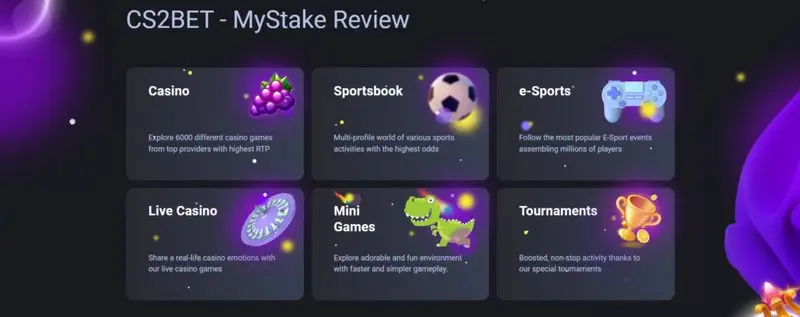
Speaking of cloud platforms, I recently discovered that some of the same services used for smart home automation also power online gaming experiences. If you’re looking to try something new, you might want to check out a mystake promo code for a fresh gaming adventure.
Battery Life and the Real Cost
While most smart thermostats are mains‑powered, the smart bulbs I bought last week are battery‑operated. They last about six months on a single set of AA batteries, which translates to roughly 10 pence per month in battery costs. Over a year, that’s a small but noticeable addition to your household budget.
What’s Next for Smart Living?
Manufacturers are now focusing on predictive analytics—using data from your daily routine to suggest energy‑saving actions before you even think about them. One company announced a beta feature that could reduce your heating bill by up to 12% in the first six months. The promise is enticing, but it comes with the caveat that you need to share a lot of personal data with a third‑party server.
Final Thoughts
Installing a smart thermostat was a quick win: less than a half‑hour setup, immediate savings, and the comfort of knowing the house is always at the right temperature. The biggest downside is the need to keep firmware up to date to avoid security holes. If you’re ready to step into the future, start small—pick one device, get it working, and then layer on the rest. The payoff is real, tangible, and, most importantly, measurable.